
Zinc Electroplating Plant vs Nickel Electroplating Plant — Key Differences
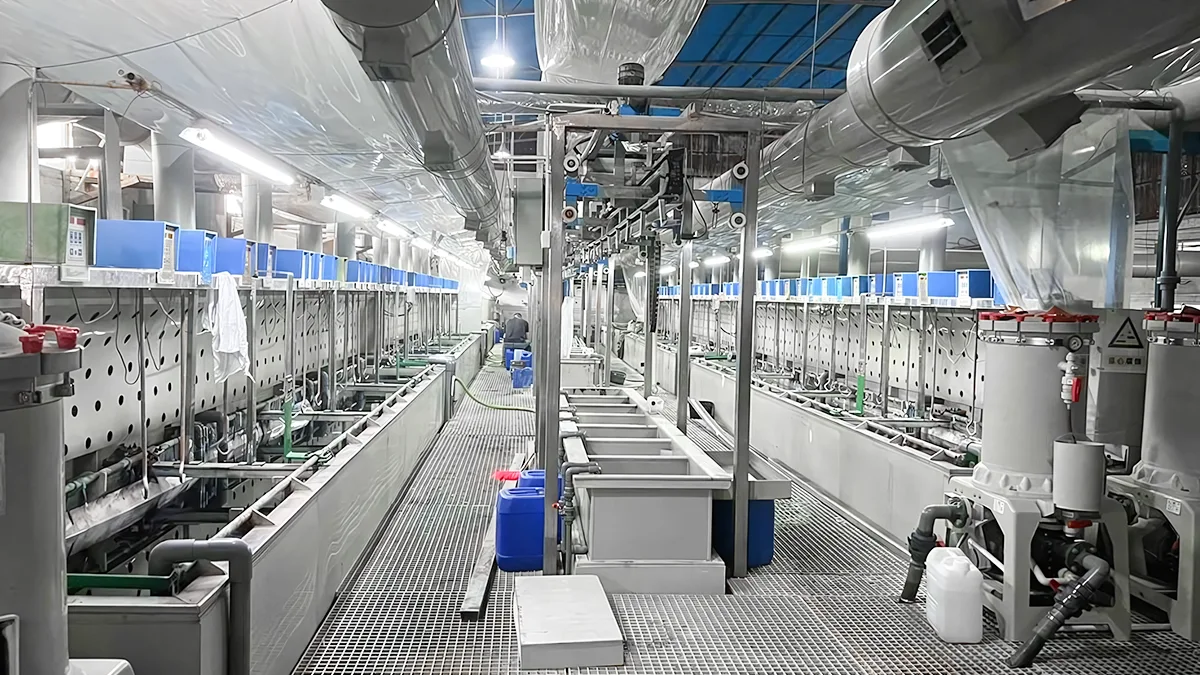
Zinc Electroplating Plant vs Nickel Electroplating Plant — Key Differences
In short:
A zinc electroplating plant is primarily used for corrosion protection on steel and iron components — especially in automotive, construction, and hardware industries. A nickel electroplating plant delivers a harder, decorative, and more heat-resistant finish suited for electronics, aerospace, and precision engineering. Both are specialized industrial systems, and Suntech Energreen manufactures high-performance electroplating plants for both applications across India.
Introduction
If you’re planning to set up an electroplating line, one of the first decisions you’ll face is this: zinc or nickel? They may look similar from the outside — both involve tanks, rectifiers, chemical solutions, and metal deposition. But they serve very different purposes, work on different industries, and come with different setup costs, chemical requirements, and finishing results.
At Suntech Energreen, we’ve worked with manufacturers from automotive OEMs to electronics assemblers across India. One of the most common questions we get is: “Which electroplating plant should I choose — zinc or nickel?”
This blog breaks down the real technical and commercial differences between a zinc electroplating plant and a nickel electroplating plant — so you can make the right decision for your production line.
What Is a Zinc Electroplating Plant vs a Nickel Electroplating Plant?
Zinc Electroplating Plant is an industrial facility that deposits a thin layer of zinc onto metal substrates — mainly steel and iron — through an electrolytic process. Zinc acts as a sacrificial anode, meaning it corrodes first and protects the base metal underneath. It is one of the most widely used surface finishing techniques in India due to its cost-effectiveness and strong anti-corrosion properties.
A Nickel Electroplating Plant deposits a nickel layer onto metal components to enhance hardness, wear resistance, corrosion protection, and surface brightness. Nickel coatings are preferred where visual appearance, precision tolerances, and heat resistance matter equally. Nickel plating is common in electronics, medical devices, and aerospace components.
The fundamental difference lies in the purpose: zinc plating is mainly protective, while nickel plating is both protective and functional-decorative.
How to Choose the Right Electroplating Plant — Step-by-Step
- Step 1 — Identify Your Base Material — Zinc plating is ideal for steel and iron components. Nickel plating works on steel, copper, brass, and even plastics. Your base material determines which process is compatible with your production line.
- Define Your End Use Application — If your components go into automotive underbody parts, fasteners, brackets, or hardware — zinc is your answer. If your components are used in electronics, precision instruments, or decorative parts — nickel is the right fit.
- Set Your Corrosion Protection Requirement — Zinc plating offers corrosion protection in the range of 72 to 500+ hours in salt spray tests depending on the chromate passivation applied. Nickel plating alone provides moderate protection, but when combined with chrome or used as an undercoat, it delivers superior resistance.
- Evaluate Your Budget and Operating Cost — Zinc plating chemicals are more affordable and widely available in India. Nickel plating involves higher raw material costs due to nickel salts and more complex chemical maintenance. Factor in both setup cost and long-term operating expenses.
- Check Surface Finish Requirement— Zinc plating produces a functional matte or semi-bright finish. Nickel plating produces a bright, mirror-like surface that's ideal when aesthetics and surface precision are critical to the product.
- Step 6 — Assess Effluent Treatment Needs Both processes generate chemical effluents that need proper treatment before disposal. Nickel effluent requires stricter handling due to heavy metal content. Make sure your electroplating plant setup includes compliant effluent treatment systems.
- Step 7 — Plan for Space and Utility Requirements — Zinc plating plants typically require less complex infrastructure. Nickel plating lines may need additional filtration systems, temperature control, and brightener dosing systems. Both require stable power supply and proper ventilation.
Let’s Build the Right Solution Together
Whether you’re exploring ideas or planning a project, our team is here to listen, guide, and deliver solutions that fit your exact requirements.
Key Differences — Zinc vs Nickel Electroplating Plant
- Coating Purpose - Zinc is primarily sacrificial corrosion protection. Nickel is functional, wear-resistant, and decorative.
- Industry Application — Zinc is preferred in automotive, construction, hardware, and agriculture. Nickel dominates electronics, aerospace, medical, and precision engineering.
- Surface Finish — Zinc gives a matte to semi-bright finish with chromate options. Nickel gives a bright, hard, aesthetic finish.
- Chemical Cost — Zinc plating chemicals are more economical. Nickel salts and additives are significantly more expensive.
- Hardness of Coating — Nickel deposits a harder coating (200–400 HV) compared to zinc (70–120 HV). This matters in wear applications.
- Heat Resistance — Nickel coatings maintain integrity at elevated temperatures. Zinc coatings are not recommended for high-temperature environments.
- Effluent Complexity — Nickel effluent treatment is more stringent due to heavy metal regulations. Zinc is comparatively easier to manage.
- Setup Investment — Zinc electroplating plants have lower initial CAPEX. Nickel plants require higher investment in controls, filtration, and chemical systems.
Suntech Energreen — Electroplating Plant Solutions
At Suntech Energreen, we manufacture and supply both zinc and nickel electroplating plants across India. Our systems are engineered for production efficiency, chemical optimization, and regulatory compliance.
Electroplating Plant Manufacturer in India — Customized zinc and nickel plating lines designed for your production volume and component specifications.
Turnkey Electroplating Solutions — From tank fabrication to rectifiers, filtration, and effluent treatment — complete plant setup under one roof.
About Suntech Energreen — Over a decade of experience in electroplating plant manufacturing, serving industries across Tamil Nadu, Maharashtra, Gujarat, and beyond.
Contact Us — Speak directly to our electroplating plant engineers for a customized quote and technical consultation.
Why Location Matters When Choosing an Electroplating Plant Manufacturer
Industrial manufacturers across South India — particularly in Tamil Nadu, Andhra Pradesh, and Karnataka — have a clear advantage when sourcing from a local manufacturer like Suntech Energreen. Proximity reduces logistics cost, speeds up installation timelines, and ensures faster after-sales support.
For zinc electroplating plants, local sourcing means easier access to zinc chemicals, anodes, and chromate solutions from nearby suppliers. For nickel plating lines, working with a manufacturer in India ensures compliance with local CPCB and TNPCB norms — which is critical for operating licenses.
Being based in Tamil Nadu, Suntech Energreen understands the regulatory environment, power infrastructure requirements, and production demands of manufacturing units in this region. This local expertise translates directly into better plant design and smoother commissioning.
Why Choose Suntech Energreen for Your Electroplating Plant
End-to-End Manufacturing — We design, fabricate, and commission zinc and nickel electroplating plants entirely in-house with zero dependency on third-party integrators.
Customized Plant Design — Every plant is designed around your specific components, production volume, and space layout — not a one-size-fits-all system.
Process Engineering Expertise — Our team has hands-on experience with alkaline zinc, acid zinc, bright nickel, and electroless nickel processes.
Chemical and Process Support — We don’t just deliver the plant. We support your team with chemical startup, process parameters, and quality validation.
Regulatory Compliance Built-In — Our plants include effluent treatment systems designed to meet CPCB and state pollution control norms.
Proven Track Record Across India — We’ve successfully installed electroplating plants for automotive, electronics, hardware, and industrial component manufacturers.
Conclusion
Choosing between a zinc electroplating plant and a nickel electroplating plant is not just a technical decision — it’s a business decision. If cost-effectiveness, corrosion protection, and high-volume production are your priorities, a zinc plating plant is the right choice. If your application demands surface hardness, precise finish quality, and performance in demanding environments, a nickel electroplating plant is the better investment.
At Suntech Energreen, we help manufacturers across India evaluate their requirements and build the right electroplating plant — from single-tank setups to fully automated plating lines. Explore our electroplating plant solutions or contact our team today for a free technical consultation and customized quote.
Frequently Asked Questions (FAQ)
What is the main difference between a zinc electroplating plant and a nickel electroplating plant?
A zinc electroplating plant coats metal components with zinc for corrosion protection — it’s widely used in automotive and hardware industries. A nickel electroplating plant deposits nickel for hardness, wear resistance, and aesthetic finish — preferred in electronics and precision engineering. The key difference lies in the purpose, cost, and performance of the coating.
Which electroplating plant is cheaper to set up — zinc or nickel?
A zinc electroplating plant generally has a lower initial setup cost because zinc chemicals and anodes are more affordable than nickel salts. However, the exact investment depends on plant capacity, automation level, and effluent treatment requirements. Contact Suntech Energreen for a detailed project cost estimate.
Can a single plant be used for both zinc and nickel electroplating?
Technically, zinc and nickel are separate processes with different chemistry, anode materials, and tank requirements. Running both from one line is not standard practice. Most manufacturers set up dedicated lines for each metal depending on their product profile and production volume.
Which industries use nickel electroplating plants in India?
Nickel electroplating plants are widely used in electronics manufacturing, aerospace components, medical device production, automotive decorative parts, and precision engineering. Industries that require a hard, bright, and wear-resistant surface finish typically prefer nickel over zinc.
Is electroless nickel different from electroplating nickel?
Yes. Electroless nickel plating does not use an electrical current — it relies on a chemical reduction process. It offers more uniform coating even on complex geometries. Standard nickel electroplating uses electric current for deposition. Suntech Energreen manufactures plants for both processes based on your application needs.
Let’s Talk About Your Needs
Let’s talk about what you’re looking for. Share your requirements with us, and our team will guide you with the right solutions and clear answers.