
Zinc Flake Coating vs Hot Dip Galvanizing: Which Is Better?
Zinc Flake Coating vs Hot Dip Galvanizing: Which Is Better?
In short:
Robotic Zinc Flake Coating and Hot Dip Galvanizing are both used to protect metal components from corrosion. Hot dip galvanizing provides a thick zinc layer by dipping parts into molten zinc, while Robotic Zinc Flake Coating applies a thin zinc-rich coating using automated spray systems. Zinc flake coatings offer precise thickness control and better suitability for fasteners and small parts, while galvanizing is commonly used for large structural components.
Introduction
Corrosion protection is a major concern in industrial manufacturing. Metal components used in automotive systems, infrastructure, machinery, and engineering equipment must survive harsh conditions such as moisture, road salt, and chemical exposure.
Without proper surface protection, corrosion can reduce product life and increase maintenance costs. For manufacturers in India’s expanding automotive and engineering sectors, choosing the right coating method is essential.
Two common corrosion protection methods are Hot Dip Galvanizing and Robotic Zinc Flake Coating.
Hot dip galvanizing has been widely used for decades to protect structural steel components. However, modern manufacturing processes require coatings that provide consistent thickness, compatibility with small parts, and minimal impact on component dimensions.
This is where Robotic Zinc Flake Coating has become increasingly popular.
By combining advanced coating chemistry with automated robotic systems, zinc flake coating offers reliable corrosion protection and precise coating control for modern manufacturing applications.
Understanding Zinc Flake Coating and Hot Dip Galvanizing
Both technologies protect metal parts using zinc, but they differ in application method, coating thickness, and industrial use.
Hot Dip Galvanizing
Hot dip galvanizing involves immersing steel parts into molten zinc at temperatures around 450°C. The zinc reacts with the steel surface and forms a thick protective coating.
This method is commonly used for:
- Structural steel
- Pipes
- Transmission towers
- Outdoor infrastructure
While galvanizing provides excellent corrosion protection, the thick coating may not be suitable for precision components such as threaded fasteners.
Zinc Flake Coating
Zinc flake coating uses microscopic zinc and aluminum flakes suspended in a binder solution. The coating is applied to metal parts and then cured in an oven to form a protective barrier.
In Robotic Zinc Flake Coating, automated robots apply the coating using controlled spray systems.
Modern zinc flake coating machines integrate robotic spray stations, curing ovens, and automated material handling systems within a complete surface treatment plant.
These advanced coating systems are part of automated finishing technologies such as those available through engineered solutions at
https://suntechenergreen.com/products/.
How Robotic Zinc Flake Coating Works
Robotic Zinc Flake Coating lines operate through a controlled process that ensures consistent coating performance.
1. Cleaning and Degreasing
Parts are cleaned using automated washing systems to remove oil, grease, and contaminants.
2. Surface Preparation
Chemical pretreatment or blasting prepares the metal surface for proper coating adhesion.
3. Robotic Coating Application
Industrial robots apply the zinc flake coating using automated spray systems. Robots maintain consistent spray distance, speed, and angle.
4. Spin or Drain Stage
Excess coating is removed through spinning equipment or controlled drainage to maintain accurate thickness.
5. Thermal Curing
Parts are transferred to curing ovens where heat bonds the zinc flakes into a durable protective layer.
6. Automated Inspection
Inspection systems measure coating thickness and surface quality to ensure consistent production standards.
Automation ensures that each component receives the same coating quality.
Let’s Build the Right Solution Together
Whether you’re exploring ideas or planning a project, our team is here to listen, guide, and deliver solutions that fit your exact requirements.
Benefits & Performance Advantages
Robotic Zinc Flake Coating offers several advantages compared with traditional hot dip galvanizing processes.
- Improved coating quality: Robotic systems apply coatings with precise spray patterns.
- Consistent thickness control: Automated systems maintain uniform coating thickness.
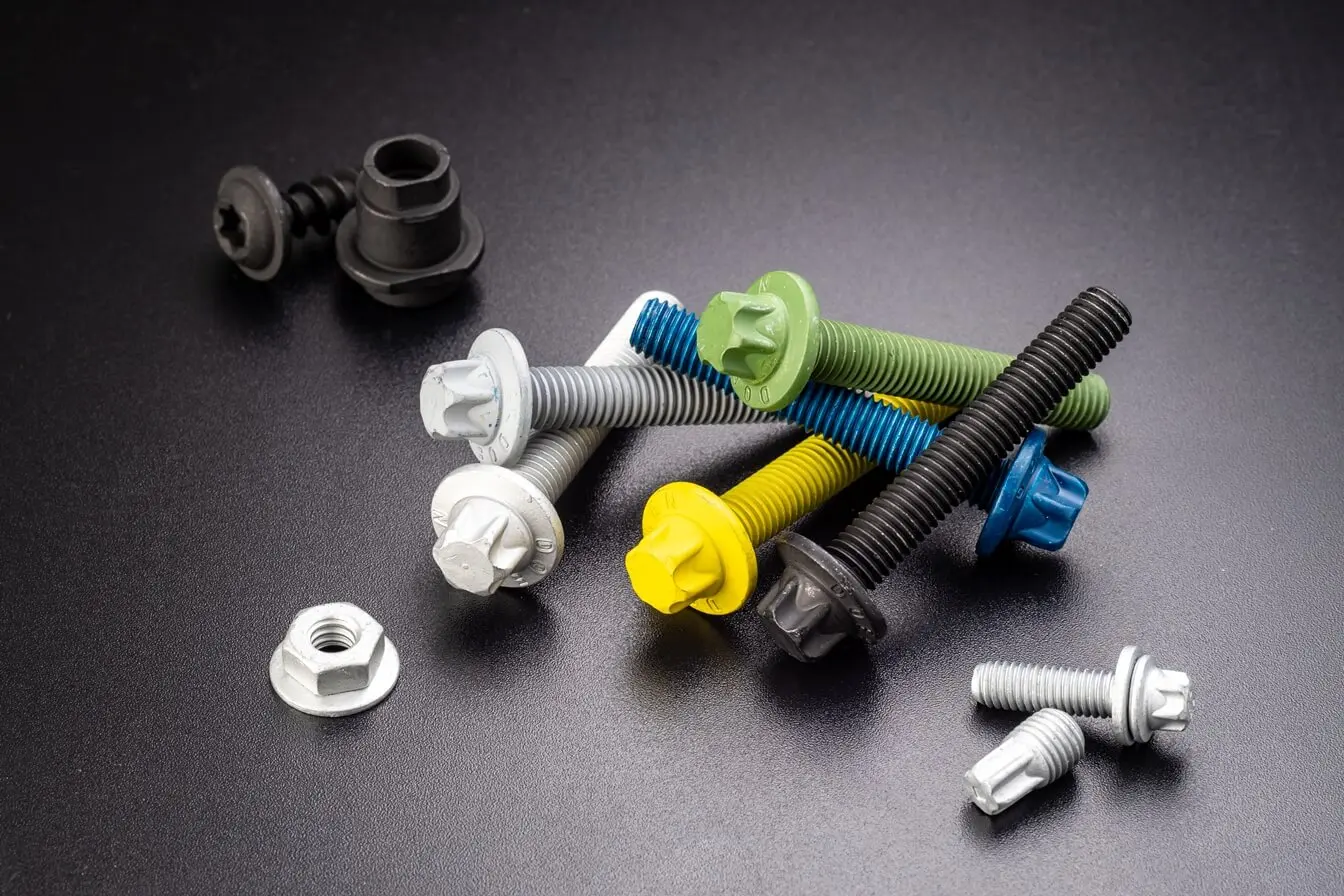
- Better suitability for fasteners: Thin coatings protect threads without affecting fit.
- Reduced manual errors: Automation eliminates variability caused by operators.
- Higher production efficiency: Automated coating lines support large-scale manufacturing.
- No hydrogen embrittlement risk: Zinc flake coatings are safer for high-strength fasteners.
- Lower coating material waste: Robotic spray systems reduce overspray.
- Long-term cost efficiency: Improved corrosion protection reduces maintenance costs.
While hot dip galvanizing is effective for large steel structures, zinc flake coating is often better suited for precision components.
Practical Industrial Applications
Both zinc flake coating and hot dip galvanizing are used in different industries depending on component requirements.
Automotive Industry
Automotive manufacturers widely use Robotic Zinc Flake Coating for bolts, nuts, brackets, suspension hardware, and chassis fasteners.
Surface treatment technologies used in automotive manufacturing can be explored here:
https://suntechenergreen.com/automotive-surface-treatment-in-india/
Fastener Manufacturing
Fasteners require corrosion protection without affecting thread dimensions. Zinc flake coatings provide thin, uniform coatings suitable for threaded components.
Surface finishing solutions for fastener production are available here:
https://suntechenergreen.com/fasteners-surface-treatment-in-india/
Aerospace Engineering
Aircraft fasteners and structural components require corrosion-resistant coatings that maintain mechanical strength.
Aerospace surface treatment technologies can be explored here:
https://suntechenergreen.com/aerospace-surface-treatment-in-india/
Medical Equipment Manufacturing
Medical devices require reliable corrosion protection with precise coating thickness.
Surface finishing solutions for medical manufacturing are available here:
https://suntechenergreen.com/medical-surface-treatment-in-india/
Household and Consumer Products
Hardware used in appliances, furniture, and fixtures often uses zinc flake coatings for improved durability.
Manufacturing solutions for this sector can be explored here:
https://suntechenergreen.com/household-surface-treatment-in-india/
Across these industries, robotic coating systems ensure consistent corrosion protection and stable production quality.
Expert Insight: Suntech Energreen Perspective
Modern manufacturing requires surface treatment systems that combine automation, precision, and reliable process control.
Robotic Zinc Flake Coating plants must be carefully engineered to maintain coating consistency, efficient curing conditions, and stable material handling.
Suntech Energreen designs custom-engineered automated surface treatment plants that integrate robotics with advanced process automation.
These systems typically include:
- Robotic coating stations
- PLC-controlled automation systems
- Integrated curing ovens
- Conveyor-based material handling
- Real-time monitoring and inspection systems
Such systems help manufacturers achieve consistent coating performance while scaling production.
Suntech Energreen has delivered surface treatment projects across industries including automotive, fasteners, and engineering manufacturing.
Manufacturers interested in exploring real project implementations can review case studies at
https://suntechenergreen.com/references/.
Conclusion
Both hot dip galvanizing and zinc flake coating provide effective corrosion protection for metal components. However, their suitability depends on the application.
Hot dip galvanizing is ideal for large structural components that require thick protective coatings. In contrast, Robotic Zinc Flake Coating offers precise thickness control and consistent coverage for smaller precision parts such as fasteners and automotive components.
By combining advanced coating chemistry with automated robotic application, zinc flake coating systems provide reliable corrosion protection while maintaining dimensional accuracy.
Manufacturers exploring advanced finishing technologies can explore Suntech Energreen’s surface treatment solutions or discuss project requirements through the consultation page at
https://suntechenergreen.com/contact-us/.
Frequently Asked Questions (FAQ)
What is the main difference between zinc flake coating and hot dip galvanizing?
Hot dip galvanizing creates a thick zinc layer by dipping parts in molten zinc, while zinc flake coating applies a thin zinc-rich coating using spray or dip methods.
Which coating is better for fasteners?
Zinc flake coating is typically better for fasteners because it provides corrosion protection without affecting thread dimensions.
Is zinc flake coating more precise than galvanizing?
Yes. Robotic zinc flake coating systems allow precise control over coating thickness and coverage.
Does zinc flake coating provide strong corrosion protection?
Yes. The zinc flakes act as a sacrificial layer, protecting the underlying metal from corrosion.
Which industries use zinc flake coating the most?
Industries such as automotive manufacturing, aerospace engineering, fastener production, and heavy machinery manufacturing commonly use zinc flake coatings.
Let’s Talk About Your Needs
Let’s talk about what you’re looking for. Share your requirements with us, and our team will guide you with the right solutions and clear answers.