
Robotic Galvanizing for Fasteners and Fabricated Components
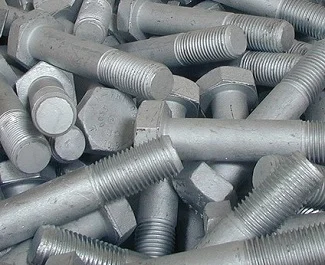
Robotic Galvanizing for Fasteners and Fabricated Components
In short:
Robotic Hot Dip Galvanizing improves coating quality for fasteners and fabricated components by automating dipping, handling, and withdrawal. This ensures uniform zinc coating, reduces defects, and increases corrosion resistance. It is especially useful for high-volume production where consistency and durability are critical. Automation also improves productivity and reduces manual errors in galvanizing operations.
Introduction
In Indian manufacturing, fasteners and fabricated components are widely used in construction, automotive, and infrastructure projects. These parts must resist corrosion and perform reliably in harsh environments. However, traditional Hot Dip Galvanizing often struggles with uneven coating, excess zinc buildup, and inconsistent results.
Fasteners like bolts and nuts require precise coating thickness. Fabricated components often have complex shapes that are difficult to coat evenly. Manual handling increases the risk of defects and rework.
To solve these challenges, manufacturers are moving toward Robotic Hot Dip Galvanizing. Automation helps maintain process control, ensures repeatable quality, and supports compliance with industry standards. It is becoming a key solution for improving durability and production efficiency in modern galvanizing plants.
What Is Robotic Hot Dip Galvanizing?
Robotic Hot Dip Galvanizing is an advanced version of the traditional galvanizing process. It uses robotic systems and automated controls to handle steel components during the coating process.
In standard Hot Dip Galvanizing, parts are dipped into molten zinc to create a protective layer. This coating prevents rust and extends the life of the product. When robotics are added, the process becomes more precise and consistent.
Key features of robotic systems include:
- Automated cranes or robotic arms for material handling
- PLC-based control systems for timing and movement
- Sensors to monitor temperature and immersion duration
- Controlled withdrawal speeds for uniform coating
This is especially important for fasteners and fabricated parts, where small variations can lead to major quality issues.
Manufacturers can explore automation solutions through advanced surface treatment systems designed for industrial applications.
How Robotic Hot Dip Galvanizing Works (Step-by-Step)
Robotic systems control every stage of the galvanizing process. Here is a simple breakdown:
1. Cleaning and Degreasing
Components are cleaned to remove oil and dirt. Automated systems ensure consistent cleaning cycles.
2. Pickling
Acid treatment removes rust and scale. Sensors control concentration and time.
3. Fluxing
Flux prepares the surface for zinc bonding. Automation ensures uniform application.
4. Robotic Loading
Fasteners and fabricated parts are loaded onto fixtures or baskets. Robots handle positioning accurately.
5. Controlled Dipping in Molten Zinc
Robotic arms immerse the components at a fixed speed and angle. This is critical for coating quality.
6. Precision Withdrawal
Components are removed at controlled speeds to avoid excess zinc buildup.
7. Cooling and Inspection
Parts are cooled and inspected. Automated systems can include quality checks.
This step-by-step control ensures repeatability, which is difficult to achieve with manual processes.
Let’s Build the Right Solution Together
Whether you’re exploring ideas or planning a project, our team is here to listen, guide, and deliver solutions that fit your exact requirements.
Benefits & Performance Advantages
Robotic Hot Dip Galvanizing offers several key advantages for fasteners and fabricated components:
- Improved coating quality with uniform zinc layer
- Better corrosion resistance for longer product life
- Consistent thickness across all parts
- Reduced manual errors in handling and dipping
- Higher productivity with faster cycle times
- Lower rejection rates and less rework
- Optimized zinc usage reducing material waste
- Improved safety by limiting human exposure
These benefits are critical for industries that demand high precision and durability.
Practical Industrial Applications
Robotic Hot Dip Galvanizing is widely used across multiple industries, especially where fasteners and fabricated components play a key role.
Fasteners Industry
Used for bolts, nuts, screws, and threaded components. Consistent coating is essential for performance. Learn more about fasteners surface treatment solutions.
Automotive Industry
Applied to brackets, chassis parts, and structural elements. Explore automotive surface treatment systems.
Aerospace Industry
Ensures precision coating for critical components. Refer to aerospace surface treatment applications.
Medical Equipment
Used for durable and clean finishes. See medical surface treatment systems.
Household and Consumer Products
Used for hardware and appliances. Learn about household surface treatment solutions.
General Fabrication and Infrastructure
Steel structures, fabricated assemblies, and construction components benefit from long-lasting protection.
Automation ensures consistent quality across all these applications.
Expert Insight: Suntech Energreen Perspective
From an engineering point of view, Robotic Hot Dip Galvanizing is about precision, repeatability, and system integration. Each component, whether a small fastener or a large fabricated structure, requires controlled process parameters.
Suntech Energreen designs automated surface treatment plants that meet these requirements. Their systems use PLC-based controls and robotic handling to ensure consistent galvanizing quality.
Key capabilities include:
- Custom-designed galvanizing plants
- Integration of robotic and automated handling systems
- Process optimization for different component types
- End-to-end project execution from design to installation
Their experience across industries helps in delivering reliable solutions for both fasteners and fabricated components. Real-world implementations can be explored through project references and case studies.
Conclusion
Robotic Hot Dip Galvanizing is changing how fasteners and fabricated components are coated in modern manufacturing. By introducing automation, manufacturers can achieve consistent quality, better corrosion protection, and improved productivity.
For industries where performance and durability are critical, manual processes are no longer enough. Automation provides the control and precision needed to meet today’s standards.
As Indian manufacturing continues to grow, adopting advanced galvanizing technologies will be key to staying competitive. To upgrade your surface treatment process, contact Suntech Energreen for project consultation and explore reliable, automated solutions tailored to your needs.
Frequently Asked Questions (FAQ)
1. Why is Robotic Hot Dip Galvanizing important for fasteners?
Fasteners need precise and uniform coating. Automation ensures consistent thickness, which improves performance and prevents thread blockage.
2. Can fabricated components benefit from robotic galvanizing?
Yes. Complex shapes require controlled dipping and withdrawal. Robotics ensures even coating and reduces defects.
3. How does automation reduce defects in galvanizing?
It controls speed, time, and temperature accurately. This reduces issues like uneven coating and excess zinc buildup.
4. Is Robotic Hot Dip Galvanizing suitable for high-volume production?
Yes. It improves cycle time, consistency, and productivity, making it ideal for large-scale manufacturing.
5. Does it reduce operational costs?
Over time, yes. It lowers material waste, reduces rework, and improves efficiency.
Let’s Talk About Your Needs
Let’s talk about what you’re looking for. Share your requirements with us, and our team will guide you with the right solutions and clear answers.