
Maintenance Benefits of Robotic Hot Dip Galvanizing Systems
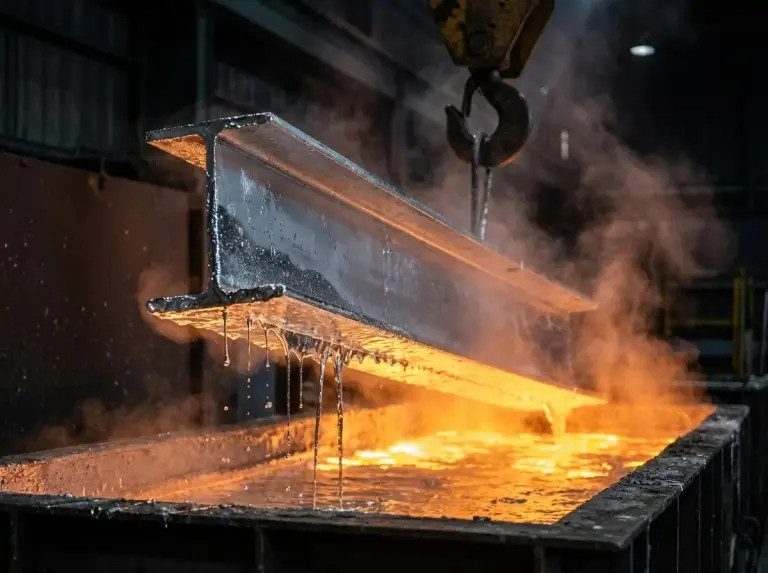
Maintenance Benefits of Robotic Hot Dip Galvanizing Systems
In short:
Robotic Hot Dip Galvanizing systems reduce maintenance needs by improving process control, minimizing wear and tear, and reducing manual handling errors. Automated systems ensure consistent operation, lower downtime, and easier monitoring. This leads to longer equipment life, fewer breakdowns, and lower maintenance costs, making robotic galvanizing a reliable solution for modern industrial plants.
Introduction
In Indian manufacturing, maintenance is a major concern for galvanizing plants. Frequent breakdowns, inconsistent processes, and manual errors can lead to high downtime and increased operational costs. Traditional Hot Dip Galvanizing systems often depend on manual handling, which increases wear on equipment and creates variability in operations.
Unplanned maintenance not only affects production but also impacts product quality. Poorly maintained systems can lead to uneven coating, excess zinc usage, and safety risks. With growing demand for corrosion-resistant products, manufacturers need reliable and low-maintenance solutions.
This is where Robotic Hot Dip Galvanizing systems offer a strong advantage. By automating key operations, these systems reduce mechanical stress, improve monitoring, and ensure stable performance. This results in lower maintenance requirements and better long-term reliability.
What Is Robotic Hot Dip Galvanizing?
Robotic Hot Dip Galvanizing is an automated surface treatment process where robotic systems control the movement and handling of components during galvanizing.
In a traditional Hot Dip Galvanizing process, steel parts are manually dipped into molten zinc. This creates a protective coating that prevents corrosion. However, manual processes often lead to inconsistent handling and increased equipment strain.
With robotic systems, the process becomes controlled and predictable. Key features include:
- Automated cranes or robotic arms for material handling
- PLC-based systems for precise control
- Sensors to monitor process parameters
- Controlled dipping and withdrawal speeds
These features reduce unnecessary stress on equipment and improve overall system reliability. Manufacturers can explore such solutions through automated surface treatment plant systems.
How the System Works (Step-by-Step)
Robotic Hot Dip Galvanizing improves maintenance by ensuring controlled operation at every stage:
1. Automated Cleaning
Components are cleaned using controlled cycles. This reduces chemical misuse and tank damage.
2. Pickling Process
Sensors maintain correct acid levels, preventing overuse and corrosion of equipment.
3. Fluxing Stage
Uniform flux application reduces contamination and improves bath life.
4. Robotic Handling
Robots move components smoothly, avoiding jerks and mechanical stress.
5. Controlled Dipping
Precise immersion reduces splashing and protects the zinc bath and tank structure.
6. Consistent Withdrawal
Uniform withdrawal speeds prevent excess load on lifting systems.
7. Monitoring and Inspection
Automated systems track performance and detect issues early.
This controlled workflow reduces wear and tear, leading to lower maintenance needs.
Let’s Build the Right Solution Together
Whether you’re exploring ideas or planning a project, our team is here to listen, guide, and deliver solutions that fit your exact requirements.
Benefits & Performance Advantages
Robotic Hot Dip Galvanizing systems provide significant maintenance-related benefits:
- Reduced equipment wear and tear due to smooth automated movement
- Lower downtime with fewer unexpected breakdowns
- Predictive maintenance capability through sensors and monitoring
- Consistent process control reducing stress on tanks and machinery
- Improved coating quality with stable operations
- Reduced manual intervention lowering human-related damage
- Longer equipment life due to controlled usage
- Lower maintenance costs over the long term
These benefits help manufacturers maintain efficient and reliable operations.
Practical Industrial Applications
Robotic Hot Dip Galvanizing systems are widely used across industries where maintenance and reliability are critical.
Automotive Industry
Used for high-volume production where downtime must be minimized. Learn more about automotive surface treatment systems.
Fasteners Industry
Continuous production requires stable systems with low maintenance. Explore fasteners surface treatment solutions.
Aerospace Industry
High-precision components require reliable and consistent processes. Refer to aerospace surface treatment applications.
Medical Equipment
Maintenance-free and clean operations are essential. See medical surface treatment systems.
Household and Consumer Products
High production volumes demand durable and low-maintenance systems. Learn about household surface treatment solutions.
General Manufacturing
Infrastructure and fabricated components benefit from reliable galvanizing systems with minimal downtime.
Expert Insight: Suntech Energreen Perspective
From an engineering perspective, maintenance reduction is a key advantage of automation. A well-designed robotic system not only improves performance but also ensures long-term reliability.
Suntech Energreen develops automated surface treatment plants that focus on durability and low maintenance. Their systems use PLC-based controls and advanced monitoring to maintain stable operations.
Key strengths include:
- Custom-designed galvanizing plants for different industries
- Integration of robotic handling systems to reduce mechanical stress
- Process optimization to extend equipment life
- End-to-end project execution including installation and support
Their experience across industries ensures that each system is designed for both performance and maintainability. Real-world implementations can be explored through project references.
Conclusion
Robotic Hot Dip Galvanizing systems offer a clear advantage when it comes to maintenance and reliability. By reducing manual intervention and controlling every stage of the process, these systems minimize wear and tear and prevent unexpected failures.
For manufacturers, this means lower downtime, reduced maintenance costs, and longer equipment life. In today’s competitive environment, reliable operations are essential for meeting production targets and maintaining quality standards.
As industries in India continue to modernize, adopting automated galvanizing systems is a smart investment. To improve your plant performance and reduce maintenance challenges, contact Suntech Energreen for project consultation and explore advanced surface treatment solutions built for long-term efficiency.
Frequently Asked Questions (FAQ)
1. How does Robotic Hot Dip Galvanizing reduce maintenance?
It automates movement and process control, reducing mechanical stress and human error. This lowers wear and tear on equipment.
2. Do robotic systems require less frequent servicing?
Yes. Controlled operations and monitoring systems help reduce unexpected breakdowns and allow planned maintenance.
3. Can automation improve equipment life?
Yes. Smooth and consistent operation reduces strain, extending the lifespan of tanks, cranes, and other components.
4. Is predictive maintenance possible in robotic galvanizing systems?
Yes. Sensors and PLC systems can monitor performance and detect issues early.
5. Which industries benefit most from low-maintenance galvanizing systems?
Automotive, fasteners, aerospace, and infrastructure industries benefit the most due to continuous production needs.
Let’s Talk About Your Needs
Let’s talk about what you’re looking for. Share your requirements with us, and our team will guide you with the right solutions and clear answers.