
Common Defects in Plating and How Automation Prevents Them
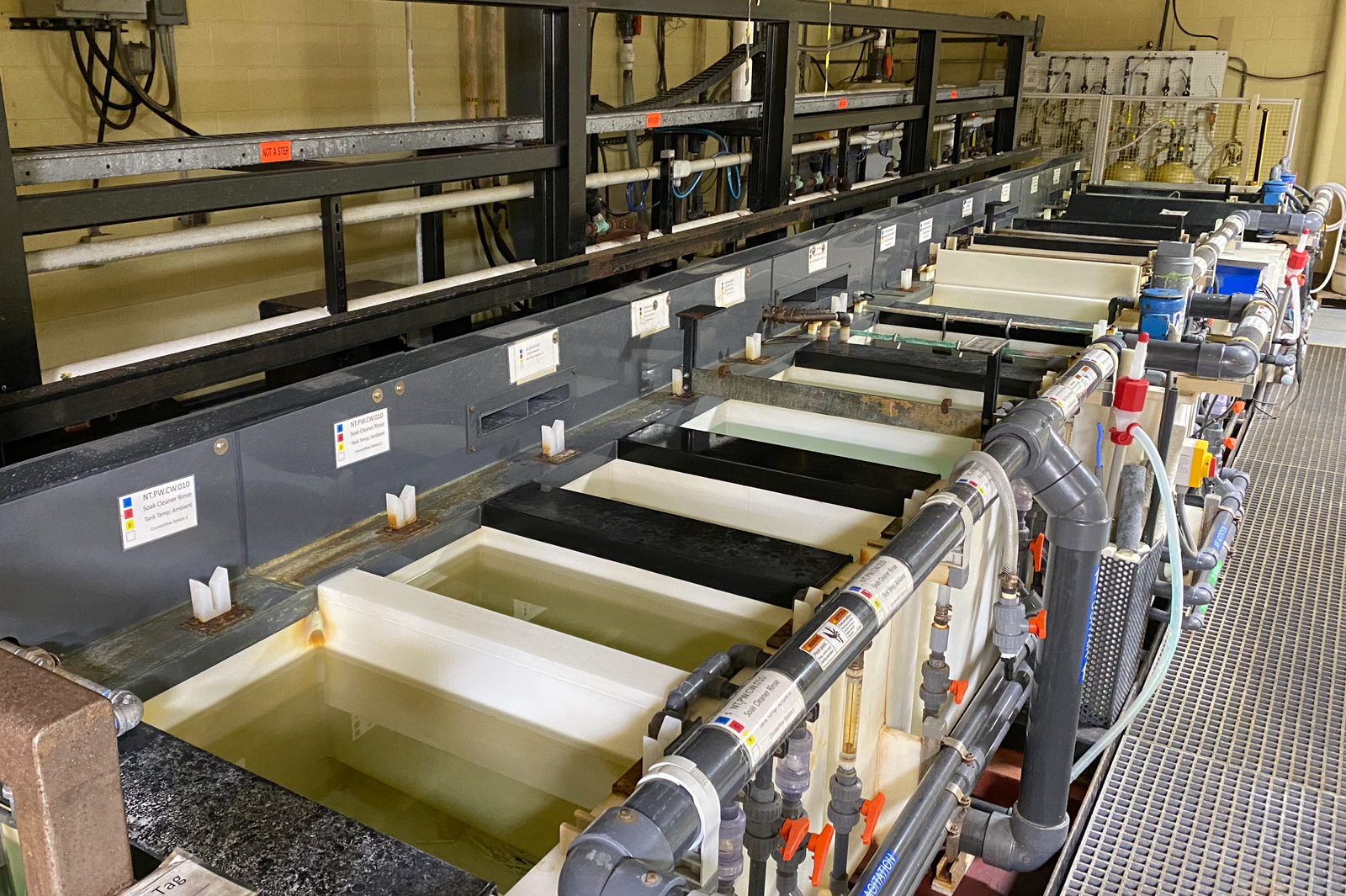
Common Defects in Plating and How Automation Prevents Them
In short:
Common plating defects such as uneven coating, peeling, burning, and corrosion occur due to poor process control. Robotic hot dip galvanizing and automated plating lines prevent these issues by maintaining precise control over temperature, timing, and chemical parameters. Automation ensures uniform coating, reduces human errors, and improves overall quality, making it essential for modern industrial surface treatment.
Introduction
In India’s manufacturing sector, surface treatment plays a key role in product quality and durability. However, many industries still face challenges due to plating defects. These defects can lead to corrosion, product failure, and increased rejection rates.
Manual plating processes often result in inconsistent results. Small variations in chemical concentration, temperature, or timing can cause major defects in the final coating. This creates problems for industries that require high precision and reliability.
With increasing demand for global standards and export-quality products, manufacturers cannot afford such inconsistencies. This is why automation and robotic hot dip galvanizing are becoming essential.
Automated systems ensure better process control, reduce defects, and improve overall production efficiency.
What are Common Plating Defects?
Plating defects are imperfections in the coating layer that affect performance and appearance. These defects occur due to poor process control, contamination, or improper handling.
Some common defects include:
- Uneven coating thickness
- Peeling or poor adhesion
- Burning or rough surface finish
- Pitting or small holes in coating
- Staining or discoloration
- Corrosion after plating
In robotic hot dip galvanizing and electroplating, these defects can be minimized through controlled processes.
Automation ensures that all process parameters remain within specified limits, reducing the chances of defects.
Manufacturers can adopt advanced systems through Suntech Energreen’s surface treatment solutions, designed for defect-free production.
How the System Works (Step-by-Step)
Automated plating systems are designed to prevent defects at every stage.
1. Controlled Loading
Components are positioned correctly using automated systems to ensure even exposure.
2. Pre-Cleaning
Degreasing removes oil and contaminants, preventing adhesion issues.
3. Pickling
Rust and oxide layers are removed uniformly using controlled acid treatment.
4. Rinsing
Multiple rinsing stages eliminate chemical residues that can cause defects.
5. Plating or Galvanizing
In robotic hot dip galvanizing, PLC controls dipping time and temperature.
In electroplating, current and voltage are precisely regulated.
6. Passivation
A protective layer is applied under controlled conditions to prevent corrosion.
7. Drying
Automated drying prevents staining and water marks.
8. Inspection and Monitoring
Sensors and quality systems detect defects early and ensure compliance.
Automation ensures that every step is consistent and repeatable, reducing defect occurrence.
Let’s Build the Right Solution Together
Whether you’re exploring ideas or planning a project, our team is here to listen, guide, and deliver solutions that fit your exact requirements.
Benefits & Performance Advantages
Automation helps prevent plating defects and improves overall performance:
- Improved coating quality with uniform finish
- Reduced defects such as peeling, pitting, and burning
- Better corrosion resistance for longer product life
- Consistent thickness across all components
- Reduced manual errors and operator dependency
- Higher productivity with stable processes
- Improved process control through real-time monitoring
- Lower rejection rates and rework costs
These benefits make automated systems essential for defect-free production.
Practical Industrial Applications
Defect-free plating is critical across multiple industries.
Automotive Industry
Components require uniform coating for durability and safety.
Learn more about automotive surface treatment systems.
Aerospace Industry
Even minor defects can lead to failure, making automation essential.
Explore aerospace applications.
Medical Devices
Requires clean and defect-free coatings for hygiene and safety.
Refer to medical surface treatment solutions.
Fasteners Industry
Large volumes require consistent quality with minimal defects.
See fasteners surface treatment.
Household & Consumer Products
Improves product appearance and durability.
Check household applications.
General Manufacturing
Used in construction, electrical, and engineering sectors where reliability is important.
Expert Insight: Suntech Energreen Perspective
Suntech Energreen designs automated plating systems focused on defect prevention and process control.
Their solutions include:
- Custom-engineered surface treatment plants
- PLC-controlled automation for precise parameter control
- Integration of robotic hot dip galvanizing systems
- End-to-end support from design to installation
- Proven project execution across industries
Manufacturers can review successful implementations through Suntech Energreen’s project references, showcasing reliable performance.
These systems help industries reduce defects and maintain consistent product quality.
Conclusion
Plating defects can impact product quality, durability, and customer satisfaction. In modern manufacturing, preventing these defects is critical for maintaining standards and reducing costs.
Automated systems and robotic hot dip galvanizing provide the control needed to achieve defect-free coatings. By maintaining consistent process parameters, they reduce variation and improve reliability.
For manufacturers aiming to improve quality and efficiency, automation is the key to success.
To enhance your surface treatment process, explore Suntech Energreen’s solutions or contact Suntech Energreen for project consultation.
Frequently Asked Questions (FAQ)
1. What are the most common plating defects?
Common defects include uneven coating, peeling, burning, pitting, and corrosion after plating.
2. How does automation reduce plating defects?
Automation controls process parameters precisely, reducing variations and ensuring consistent coating quality.
3. Why is robotic hot dip galvanizing effective?
It ensures uniform zinc coating by controlling dipping time, temperature, and movement accurately.
4. Can defects be completely eliminated?
While not completely eliminated, automation significantly reduces defects and improves overall quality.
5. Which industries are most affected by plating defects?
Automotive, aerospace, fasteners, and medical industries are highly affected due to strict quality requirements.
Let’s Talk About Your Needs
Let’s talk about what you’re looking for. Share your requirements with us, and our team will guide you with the right solutions and clear answers.