
Energy Efficiency Benefits of Automated Plating Systems
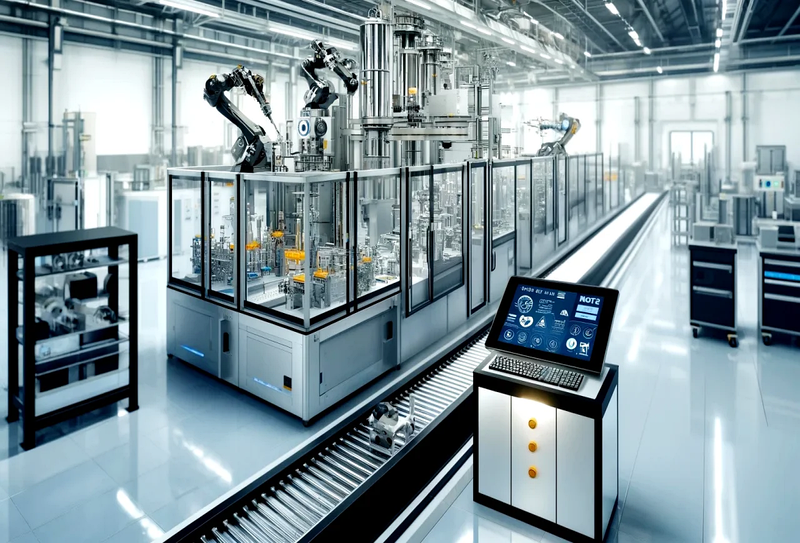
Energy Efficiency Benefits of Automated Plating Systems
In short:
Robotic Hot Dip Galvanizing in automated plating systems improves energy efficiency by optimizing process control, reducing heat loss, and minimizing manual intervention. These systems use precise automation to manage temperature, material flow, and cycle time, leading to lower energy consumption. For high-volume manufacturing, this results in cost savings, consistent coating quality, and improved operational performance.
Introduction
Energy efficiency is becoming a critical concern in Indian manufacturing. Rising power costs, environmental regulations, and the need for sustainable operations are pushing industries to adopt smarter technologies. Traditional plating and galvanizing systems often consume excess energy due to manual handling, heat loss, and inefficient process control.
At the same time, manufacturers cannot compromise on coating quality, corrosion resistance, or production speed. This creates a need for advanced solutions that balance performance and efficiency.
Robotic Hot Dip Galvanizing integrated with automated plating systems addresses these challenges. By using controlled processes and intelligent system design, manufacturers can significantly reduce energy usage while maintaining high production standards. This is especially important for industries operating at large scale.
What is Energy Efficiency in Robotic Hot Dip Galvanizing Systems?
Energy efficiency in Robotic Hot Dip Galvanizing refers to the optimal use of energy during the galvanizing and plating process. It focuses on reducing waste, improving heat utilization, and controlling process variables.
In traditional systems, energy is often lost due to inconsistent heating, idle machine time, and manual errors. Automated systems solve these issues by using sensors, PLC controls, and robotics.
In Robotic Hot Dip Galvanizing, the molten zinc bath is maintained at precise temperatures. Automated handling ensures that components are processed quickly and consistently. This reduces unnecessary energy usage.
Modern plating lines also include insulation, heat recovery systems, and optimized cycle times. These features help industries reduce power consumption without affecting output quality.
How the System Works (Step-by-Step)
Energy-efficient automated plating systems follow a structured process:
1. Automated Loading
Components are loaded using robotic systems, reducing idle time and manual delays.
2. Pre-Treatment Process
Cleaning stages are optimized with controlled chemical dosing and temperature management.
3.Controlled Heating
The galvanizing bath is maintained at a stable temperature using energy-efficient heating systems.
4. Robotic Hot Dip Galvanizing
Robotic Hot Dip Galvanizing
5. Heat Retention and Insulation
Advanced insulation minimizes heat loss from tanks and pipelines.
6. Cooling and Recovery Systems
Heat recovery systems capture excess heat and reuse it within the process.
7.Automated Monitoring
Sensors and PLC systems continuously monitor energy usage and process efficiency.
This structured approach ensures that every stage uses only the required amount of energy.
Let’s Build the Right Solution Together
Whether you’re exploring ideas or planning a project, our team is here to listen, guide, and deliver solutions that fit your exact requirements.
Benefits & Performance Advantages
Energy-efficient Robotic Hot Dip Galvanizing systems offer multiple benefits:
- Reduced energy consumption and lower operating costs
- Improved coating quality due to stable process control
- Consistent coating thickness across batches
- Reduced heat loss with advanced insulation systems
- Lower carbon footprint and environmental impact
- Higher productivity with optimized cycle times
- Minimal manual errors and process variation
- Long-term cost savings through efficient operations
These advantages make automated systems a smart investment for modern industries.
Practical Industrial Applications
Energy-efficient automated plating systems are used across various industries:
Automotive Industry
Used for large-scale production of components requiring corrosion resistance and durability. Explore solutions in the automotive surface treatment sector.
Aerospace Industry
Requires precision coating with strict quality standards and efficient energy usage. Learn more at aerospace surface treatment solutions.
Medical Devices
Energy-efficient processes ensure safe and consistent coating for sensitive equipment. See applications at medical surface treatment systems.
Fasteners Industry
High-volume production benefits from reduced energy costs and consistent coating. Visit fasteners surface treatment solutions.
Household & Consumer Products
Appliances and hardware require efficient production with durable finishes. Learn more at household surface treatment applications.
General Manufacturing
Widely used in fabrication units and industrial plants aiming to reduce operational costs.
Expert Insight: Suntech Energreen Perspective
Suntech Energreen focuses on delivering energy-efficient surface treatment solutions tailored to industrial needs. Their systems integrate Robotic Hot Dip Galvanizing with advanced automation and process optimization.
They design custom plating lines that reduce energy waste while maintaining high performance. Their approach includes:
- PLC-controlled automation for precise energy management
- Integration of heat recovery and insulation systems
- Optimized process flow for reduced cycle time
- Scalable solutions for different production capacities
Their expertise across industries ensures reliable system performance. Manufacturers can review their experience through project references.
For a detailed look at available solutions, visit surface treatment systems and products.
Conclusion
Energy efficiency is no longer optional in modern manufacturing. It is essential for reducing costs, improving sustainability, and maintaining competitiveness. Robotic Hot Dip Galvanizing integrated with automated plating systems provides a reliable solution to achieve these goals.
By optimizing process control, reducing heat loss, and improving productivity, these systems deliver both performance and efficiency. For manufacturers handling high volumes, the benefits are significant.
To improve your operational efficiency and reduce energy costs, consider advanced automated surface treatment solutions. You can contact Suntech Energreen for project consultation and explore the right system for your needs.
Frequently Asked Questions (FAQ)
1. How does automation reduce energy consumption in plating systems?
Automation controls temperature, timing, and material flow precisely. This reduces waste and ensures that energy is used only when needed.
2. Is Robotic Hot Dip Galvanizing more efficient than manual processes?
Yes. It reduces heat loss, improves cycle time, and eliminates manual errors, leading to better energy efficiency.
3. What role does insulation play in energy efficiency?
Insulation reduces heat loss from tanks and pipelines. This helps maintain temperature with less energy input.
4. Can energy-efficient systems reduce operational costs?
Yes. Lower energy consumption directly reduces electricity and fuel costs over time.
5. Which industries benefit most from energy-efficient plating systems?
Automotive, aerospace, fasteners, and general manufacturing industries benefit the most due to their high production volumes.
Let’s Talk About Your Needs
Let’s talk about what you’re looking for. Share your requirements with us, and our team will guide you with the right solutions and clear answers.