
How Passivation Improves Corrosion Resistance After Plating
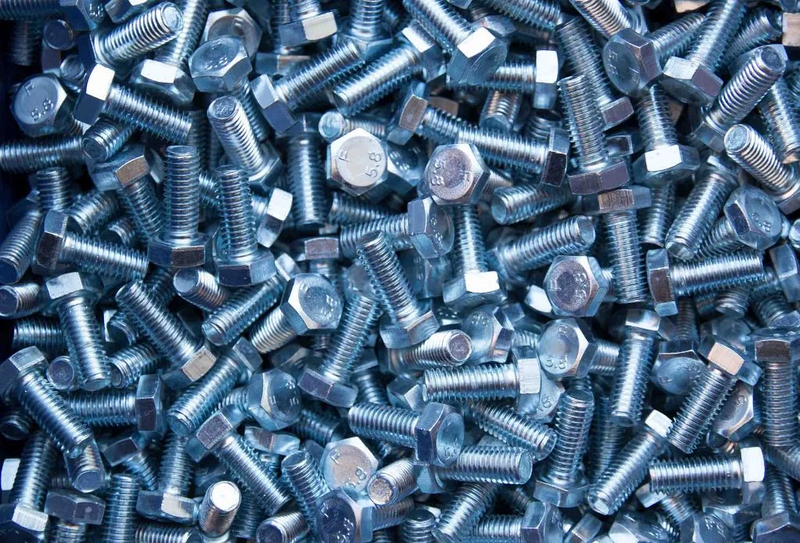
How Passivation Improves Corrosion Resistance After Plating
In short:
Robotic Hot Dip Galvanizing combined with passivation improves corrosion resistance by adding a protective chemical layer over the zinc coating. This layer slows down oxidation, extends component life, and ensures consistent quality. In automated plating lines, passivation is precisely controlled, making it highly effective for high-volume manufacturing where durability and uniform protection are critical.
Introduction
In Indian manufacturing, corrosion is a major issue. Metal components used in automotive, infrastructure, and industrial equipment often face moisture, chemicals, and harsh environments. Even after plating, improper post-treatment can reduce coating life.
This is where passivation becomes important. While Robotic Hot Dip Galvanizing provides a strong zinc coating, passivation enhances its performance. Without it, white rust and early degradation can occur, especially during storage and transport.
With increasing demand for quality and compliance, manufacturers need reliable surface treatment systems. Automated solutions ensure that both galvanizing and passivation are applied correctly. This improves durability, reduces rejection rates, and supports consistent production at scale.
What is Passivation in Robotic Hot Dip Galvanizing?
Passivation is a chemical post-treatment process applied after plating or galvanizing. It creates a thin protective layer on the metal surface.
In Robotic Hot Dip Galvanizing, components are first coated with molten zinc. After this, they go through a passivation stage where a chemical solution reacts with the zinc surface. This reaction forms a barrier that protects against moisture and oxidation.
This layer is very thin but highly effective. It reduces the formation of white rust and improves the life of the coating.
In automated plating lines, passivation is integrated into the system. This ensures uniform application and eliminates variation caused by manual handling.
How the System Works (Step-by-Step)
In an automated setup using Robotic Hot Dip Galvanizing, passivation is applied as part of a controlled process:
1. Surface Preparation
Components are cleaned through degreasing and pickling to remove contaminants.
2.Robotic Hot Dip Galvanizing
Parts are dipped into molten zinc using automated systems. This creates a strong base coating.
3. Cooling Stage
The zinc coating solidifies, forming a protective metallic layer.
4. Passivation Treatment
Components are dipped or sprayed with a passivation solution. This creates a chemical barrier on the zinc surface.
5. Drying Process
Parts are dried to stabilize the passivation layer.
6. Inspection and Quality Check
Automated systems verify coating thickness and surface quality.
7. Final Handling and Dispatch
Finished components are safely handled and prepared for use or transport.
Each step is controlled through PLC systems, ensuring repeatability and consistent results across batches.
Let’s Build the Right Solution Together
Whether you’re exploring ideas or planning a project, our team is here to listen, guide, and deliver solutions that fit your exact requirements.
Benefits & Performance Advantages
Passivation in Robotic Hot Dip Galvanizing offers several key benefits:
- Improved corrosion resistance and longer coating life
- Protection against white rust during storage and transport
- Uniform coating performance across all components
- Reduced maintenance and replacement costs
- Better surface finish and appearance
- Consistent results with automated control
- Lower rejection rates in high-volume production
- Enhanced compliance with industry standards
These advantages make passivation essential for industries where durability is critical.
Practical Industrial Applications
Passivation combined with Robotic Hot Dip Galvanizing is used across many industries:
Automotive Industry
Used for body parts, brackets, and fasteners that require long-term corrosion protection. Learn more about solutions in the automotive surface treatment sector.
Aerospace Industry
Critical components need high reliability and resistance to environmental stress. Explore applications in the aerospace surface treatment industry.
Medical Devices
Equipment must remain corrosion-free and safe for long-term use. See details in medical surface treatment solutions.
Fasteners Industry
Bolts, nuts, and screws benefit from added protection against rust. Learn more at fasteners surface treatment applications.
Household & Consumer Products
Appliances and hardware need durable finishes. Visit household surface treatment solutions.
General Manufacturing
Widely used in fabricated parts, industrial structures, and equipment exposed to outdoor conditions.
Expert Insight: Suntech Energreen Perspective
Suntech Energreen provides advanced surface treatment systems designed for modern manufacturing needs. Their solutions integrate Robotic Hot Dip Galvanizing with precise passivation processes.
They design custom auto plating lines based on production requirements, component size, and industry standards. Their systems focus on automation and process control to ensure consistent quality.
Key strengths include:
- Fully automated and PLC-controlled systems
- Integration of multiple treatment stages, including passivation
- Energy-efficient and scalable designs
- Experience across automotive, aerospace, and industrial sectors
Their project execution capability can be explored through completed project references.
Manufacturers can also review their range of surface treatment products and systems for different applications.
Conclusion
Passivation plays a critical role in improving corrosion resistance after Robotic Hot Dip Galvanizing. It enhances the durability of zinc coatings and protects components during storage and use. For manufacturers, this means fewer defects, longer product life, and better performance.
As Indian industries move towards automation, integrating passivation into plating lines is becoming essential. It ensures consistent quality and supports large-scale production requirements.
To improve your surface treatment process and ensure long-term performance, consider advanced automated systems. You can contact Suntech Energreen for project consultation and explore the right solution for your manufacturing needs.
Frequently Asked Questions (FAQ)
1. Why is passivation needed after galvanizing?
Passivation adds an extra protective layer that reduces oxidation and prevents white rust. It improves the life of the zinc coating.
2. Does passivation replace galvanizing?
No. Passivation is a post-treatment. It enhances the protection provided by galvanizing but does not replace it.
3. Is passivation important for high-volume manufacturing?
Yes. In high-volume production, even small defects can cause large losses. Passivation ensures consistent protection across all parts.
4. Can passivation be automated?
Yes. In modern plating lines, passivation is fully automated. This ensures uniform application and reduces human errors.
5. Which industries benefit most from this process?
Automotive, aerospace, fasteners, and general manufacturing industries benefit the most due to their need for corrosion resistance.
Let’s Talk About Your Needs
Let’s talk about what you’re looking for. Share your requirements with us, and our team will guide you with the right solutions and clear answers.