
Manual vs Robotic Hot Dip Galvanizing: A Simple Comparison
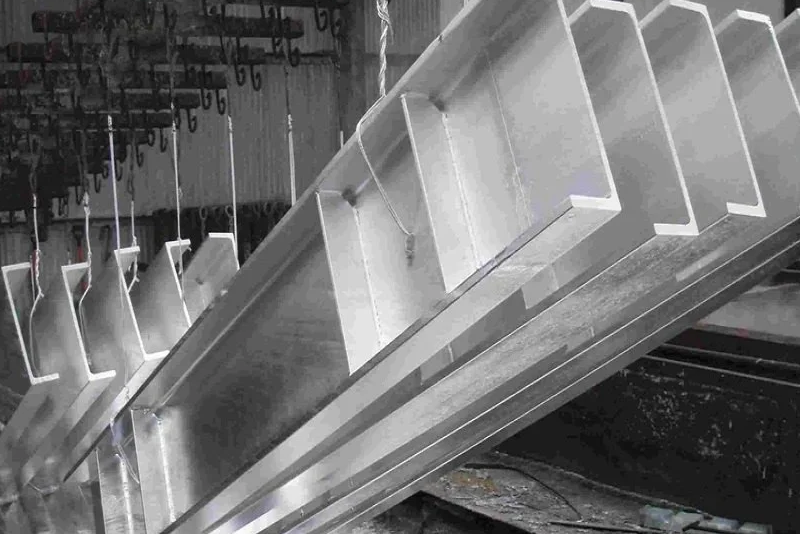
Manual vs Robotic Hot Dip Galvanizing: A Simple Comparison
In short:
Robotic Hot Dip Galvanizing improves the traditional galvanizing process by using automation and robotics to control dipping, handling, and process timing. Compared to manual hot dip galvanizing, robotic systems provide safer operations, more consistent zinc coating thickness, and higher production efficiency. While manual galvanizing relies on operator handling, robotic galvanizing lines maintain precise process control, making them increasingly preferred for modern industrial surface treatment plants.
Introduction
Corrosion protection is critical for steel components used in infrastructure, automotive manufacturing, engineering equipment, and construction. Steel structures exposed to outdoor environments, moisture, chemicals, and temperature changes can quickly develop rust if they are not properly protected.
One of the most widely used corrosion protection methods is Hot Dip Galvanizing, where steel parts are coated with molten zinc to create a protective barrier. This coating prevents corrosion and significantly extends the service life of metal components.
Traditionally, galvanizing plants rely heavily on manual handling. Workers move components through cleaning tanks and dip them into molten zinc baths heated to extremely high temperatures. While this method has been used for decades, it can lead to safety concerns, inconsistent coating thickness, and operational inefficiencies.
With increasing demand for reliable corrosion protection and production efficiency, many manufacturers are now adopting Robotic Hot Dip Galvanizing systems. These automated galvanizing plants integrate robotics and PLC-based process control to deliver safer and more consistent coating results.
Understanding Hot Dip Galvanizing Technology
Hot Dip Galvanizing is a surface treatment process that protects steel from corrosion by coating it with molten zinc.
During the process, steel components are cleaned and prepared before being immersed into a molten zinc bath at approximately 450°C. When the steel reacts with the molten zinc, it forms multiple zinc-iron alloy layers that bond metallurgically with the steel surface.
This zinc coating protects steel in two important ways:
- Barrier protection – The zinc layer prevents moisture and oxygen from reaching the steel surface.
- Sacrificial protection – Zinc corrodes before the steel, protecting the base metal.
In traditional galvanizing plants, workers manually handle parts and control the immersion process.
In Robotic Hot Dip Galvanizing, robots perform these operations automatically. Robotic systems lift parts, control immersion time, and move components between tanks with precision.
Modern automated galvanizing plants are often integrated into advanced surface treatment systems such as Suntech Energreen’s automated surface treatment plant solutions, which combine robotics, automated conveyors, and PLC-based process control.
How the System Works (Step-by-Step)
Both manual and robotic galvanizing processes follow similar treatment steps, but robotic systems automate the handling and timing operations.
1. Degreasing and Cleaning
Steel components are cleaned to remove oil, grease, and surface contaminants.
2. Pickling
The parts are immersed in acid baths to remove rust and mill scale from the steel surface.
3. Flux Treatment
The cleaned parts are dipped into a flux solution to prepare the surface and prevent oxidation before galvanizing.
4. Immersion in Molten Zinc
In manual systems, workers dip parts into the zinc bath.
In robotic systems, robots perform the immersion process with controlled movement and timing.
5. Controlled Withdrawal
Robots slowly remove components from the molten zinc bath, ensuring uniform coating thickness.
6. Cooling and Inspection
The galvanized parts are cooled and inspected to verify coating thickness and surface quality.
Because robotic systems control every step precisely, the coating quality remains consistent across production batches.
Let’s Build the Right Solution Together
Whether you’re exploring ideas or planning a project, our team is here to listen, guide, and deliver solutions that fit your exact requirements.
Benefits & Performance Advantages
Robotic Hot Dip Galvanizing systems offer several advantages over traditional manual galvanizing plants.
- Improved coating quality: Robots maintain consistent dipping time and movement.
- Superior corrosion protection: Uniform zinc coatings improve long-term durability.
- Consistent coating thickness: Automation ensures stable process control.
- Reduced manual errors: Robots eliminate variations caused by operator handling.
- Higher productivity: Automated lines support larger production volumes.
- Enhanced worker safety: Robots perform high-temperature operations instead of workers.
- Better handling of heavy components: Robotic systems safely move large steel parts.
- Long-term operational efficiency: Automation reduces labor dependency and improves plant reliability.
These advantages are driving many manufacturers to upgrade from manual galvanizing plants to automated robotic systems.
Practical Industrial Applications
Both manual and robotic hot dip galvanizing are used across industries that require long-lasting corrosion protection.
Automotive Manufacturing
Automotive manufacturers use galvanizing to protect chassis parts, brackets, and suspension components from environmental exposure.
Manufacturers can explore advanced finishing technologies through Suntech Energreen’s automotive surface treatment solutions.
Fastener Manufacturing
Bolts, nuts, and washers used in infrastructure and engineering applications require reliable corrosion protection.
Modern solutions used in this sector are detailed in fastener surface treatment technologies.
Aerospace Engineering
Aircraft components must withstand harsh environments and require durable protective coatings.
Surface finishing technologies used in this sector are explained in aerospace surface treatment solutions.
Medical Equipment Manufacturing
Steel components used in medical equipment must resist corrosion and maintain reliability.
Manufacturers can explore technologies used in this sector through medical surface treatment solutions.
Household and Consumer Products
Galvanized steel is commonly used in appliances, metal furniture, and consumer hardware.
Surface finishing technologies for these sectors are detailed in household surface treatment solutions.
Expert Insight: Suntech Energreen Perspective
Modern manufacturing plants are increasingly adopting automation to improve production efficiency and safety.
Robotic galvanizing systems integrate multiple technologies including robotics, PLC-based automation, automated conveyors, and process monitoring systems.
Suntech Energreen specializes in developing custom-engineered automated surface treatment plants designed for industrial manufacturing.
These plants integrate:
- Robotic component handling systems
- PLC-controlled process automation
- Automated dipping and coating systems
- Conveyor-based material handling solutions
- Real-time monitoring and inspection technologies
Such integrated systems help manufacturers achieve consistent coating quality and safer plant operations.
Suntech Energreen has delivered surface treatment solutions for industries including automotive manufacturing, engineering equipment production, and fastener manufacturing.
Manufacturers interested in reviewing real-world implementations can explore Suntech Energreen’s industrial project references.
Conclusion
Hot dip galvanizing remains one of the most effective corrosion protection methods for steel components used in demanding environments.
While manual galvanizing has been widely used for decades, it often involves safety risks and inconsistent coating results.
Robotic Hot Dip Galvanizing improves the traditional process by integrating robotics, automated conveyors, and PLC-based control systems. These technologies allow manufacturers to achieve consistent coating thickness, safer working environments, and higher production efficiency.
As industries continue to modernize manufacturing facilities, robotic galvanizing systems are becoming a preferred solution for high-capacity surface treatment plants.
Manufacturers interested in modern corrosion protection technologies can explore Suntech Energreen’s surface treatment solutions or request expert consultation through the Suntech Energreen contact page.
Frequently Asked Questions (FAQ)
What is robotic hot dip galvanizing?
Robotic hot dip galvanizing is an automated galvanizing process where robots handle steel components and control their immersion into molten zinc baths.
How is robotic galvanizing different from manual galvanizing?
Manual galvanizing relies on workers to handle parts, while robotic systems automate handling, dipping, and process timing.
Does robotic galvanizing improve coating quality?
Yes. Automation maintains consistent immersion time and movement, resulting in uniform coating thickness.
Which industries use hot dip galvanizing?
Industries such as automotive manufacturing, infrastructure development, fastener production, engineering equipment manufacturing, and construction rely on galvanizing.
Is robotic galvanizing safer than manual galvanizing?
Yes. Robotic systems reduce worker exposure to molten zinc and high-temperature environments.
Let’s Talk About Your Needs
Let’s talk about what you’re looking for. Share your requirements with us, and our team will guide you with the right solutions and clear answers.