
What Is Robotic Hot Dip Galvanizing?
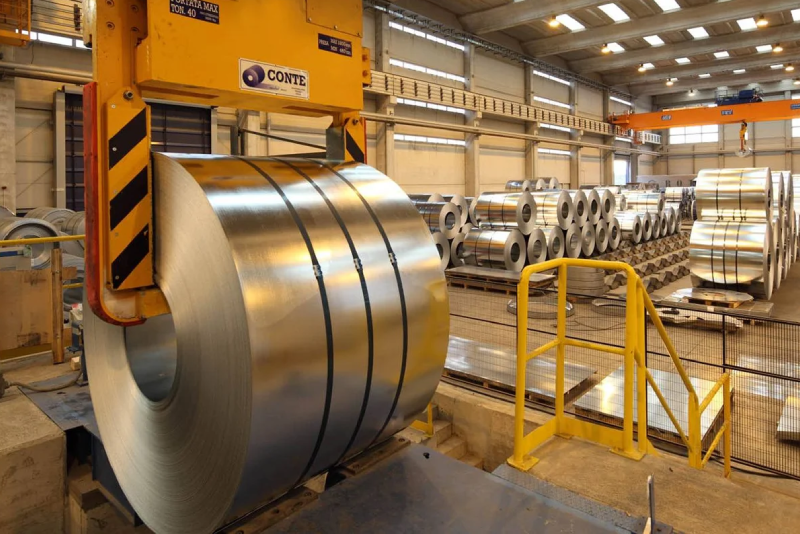
What Is Robotic Hot Dip Galvanizing?
In short:
Robotic Hot Dip Galvanizing is an advanced surface treatment process where industrial robots automate the traditional hot dip galvanizing operation. Steel components are dipped into molten zinc to form a corrosion-resistant coating, but robots control the handling, immersion, and extraction of parts. This automation improves coating consistency, safety, and productivity. As manufacturing industries demand reliable corrosion protection, robotic hot dip galvanizing systems are becoming an important solution for modern automated galvanizing plants.
Introduction
Corrosion is one of the biggest challenges in industrial manufacturing. Steel components used in infrastructure, automotive manufacturing, engineering equipment, and construction are constantly exposed to moisture, chemicals, and environmental conditions that cause rust and material degradation.
To protect steel parts, industries rely on surface treatment technologies such as galvanizing, electroplating, and zinc-based coatings. Among these solutions, Hot Dip Galvanizing remains one of the most widely used corrosion protection methods.
However, traditional galvanizing plants often rely on manual operations. Workers handle heavy metal components, control dipping times, and move parts between tanks. These manual processes can lead to inconsistent coating thickness, safety risks, and production inefficiencies.
To overcome these challenges, modern manufacturing plants are adopting Robotic Hot Dip Galvanizing systems.
By integrating robotics, automated conveyors, and PLC-based control systems, robotic galvanizing plants ensure consistent coating quality, improved safety, and efficient production for high-volume industrial operations.
Understanding Robotic Hot Dip Galvanizing Technology
Hot Dip Galvanizing is a corrosion protection process where steel components are coated with molten zinc.
The process works by immersing clean steel parts into a bath of molten zinc heated to around 450°C. When the steel reacts with molten zinc, a metallurgical bond forms between the zinc coating and the steel surface.
This coating creates a durable barrier that protects steel from rust and environmental damage.
The protection works through two mechanisms:
- Barrier protection – The zinc layer prevents moisture and oxygen from reaching the steel surface.
- Sacrificial protection – Zinc corrodes first, protecting the steel underneath.
In Robotic Hot Dip Galvanizing, industrial robots automate the handling and dipping operations.
Robots lift metal components, precisely control immersion depth, maintain dipping time, and move parts through the galvanizing process.
These robotic systems integrate with automated galvanizing lines and advanced surface treatment plants such as those developed by Suntech Energreen’s automated surface treatment systems.
Automation ensures that each component receives uniform coating thickness and consistent corrosion protection.
How Robotic Hot Dip Galvanizing Works (Step-by-Step)
A robotic hot dip galvanizing line operates through a sequence of automated steps designed to maintain stable process control.
1. Degreasing and Cleaning
Steel parts first pass through degreasing tanks where oils and contaminants are removed. Clean surfaces are essential for proper zinc adhesion.
2. Pickling Process
Parts are treated with acid solutions to remove rust and mill scale from the steel surface.
3. Flux Treatment
The steel components are dipped in flux solutions that prepare the surface for galvanizing and prevent oxidation before dipping.
4. Robotic Immersion in Molten Zinc
Industrial robots pick up the prepared parts and immerse them into the molten zinc bath.
Robots control:
- Immersion angle
- Dipping depth
- Immersion time
This precise control ensures consistent zinc coating formation.
5. Cooling and Solidification
After dipping, parts are slowly withdrawn and cooled. The zinc coating solidifies and forms a durable protective layer.
6. Inspection and Quality Control
Automated inspection systems check coating thickness and surface finish before parts move to packaging or assembly.
Because robots control the handling and dipping process, robotic galvanizing systems ensure uniform coating quality.
Let’s Build the Right Solution Together
Whether you’re exploring ideas or planning a project, our team is here to listen, guide, and deliver solutions that fit your exact requirements.
Benefits & Performance Advantages
Robotic Hot Dip Galvanizing offers several advantages for industrial manufacturers.
- Improved coating consistency: Robots control dipping time and movement with high precision.
- Strong corrosion resistance: The metallurgical bond between zinc and steel provides long-lasting protection.
- Consistent coating thickness: Automation eliminates variation caused by manual dipping.
- Enhanced worker safety: Robots handle high-temperature operations instead of manual labor.
- Higher productivity: Automated galvanizing lines can handle large production volumes.
- Reduced operational errors: Automation ensures stable process parameters.
- Better handling of heavy components: Robots can move large structural parts safely.
- Long-term cost efficiency: Automation reduces labor dependency and improves plant efficiency.
These benefits make robotic galvanizing systems ideal for modern high-capacity manufacturing plants.
Practical Industrial Applications
Robotic Hot Dip Galvanizing is widely used across industries that require long-term corrosion protection for steel components.
Automotive Manufacturing
Automotive manufacturers use galvanizing for chassis parts, brackets, suspension components, and structural steel.
Surface finishing solutions used in automotive manufacturing can be explored in
Suntech Energreen’s automotive surface treatment technologies.
Fastener Manufacturing
Bolts, nuts, washers, and threaded components used in infrastructure require corrosion protection while maintaining dimensional accuracy.
Advanced solutions for this industry are explained in fastener surface treatment solutions.
Aerospace Engineering
Aircraft components require strong corrosion protection to withstand extreme environmental conditions.
Technologies used in aerospace manufacturing are detailed in aerospace surface treatment solutions.
Medical Equipment Manufacturing
Steel components used in medical equipment also require corrosion-resistant coatings.
Manufacturers can explore solutions in medical surface treatment technologies.
Household and Consumer Products
Appliance components, metal furniture hardware, and consumer products often rely on galvanizing for long service life.
Surface finishing technologies for these sectors are available in household surface treatment solutions.
Across these industries, robotic galvanizing systems help manufacturers maintain reliable corrosion protection.
Expert Insight: Suntech Energreen Perspective
Automation is transforming modern surface treatment plants. Robotic handling systems, PLC-based controls, and integrated inspection technologies are helping manufacturers achieve stable production quality.
Suntech Energreen designs custom-engineered automated surface treatment plants tailored to industrial manufacturing needs.
These plants typically integrate:
- Robotic component handling systems
- PLC-controlled process automation
- Automated dipping and coating stations
- Conveyor-based material handling
- Real-time monitoring and inspection technologies
Such integrated systems help manufacturers maintain consistent coating quality and improve plant efficiency.
Suntech Energreen has successfully delivered surface treatment solutions across industries including automotive manufacturing, engineering equipment production, and fastener manufacturing.
Manufacturers interested in real project implementations can explore Suntech Energreen’s industrial project references.
Conclusion
Steel corrosion is a major challenge for industries that rely on durable metal components. Traditional galvanizing methods provide reliable corrosion protection but often depend on manual operations that limit consistency and efficiency.
Robotic Hot Dip Galvanizing combines the proven durability of zinc coatings with advanced robotic automation.
By integrating robotics, automated conveyors, and PLC-based process control, manufacturers can achieve uniform coating thickness, improved safety, and higher production efficiency.
Industries such as automotive manufacturing, infrastructure development, engineering equipment production, and fastener manufacturing are increasingly adopting automated galvanizing systems.
Manufacturers exploring modern surface treatment technologies can explore Suntech Energreen’s surface treatment solutions or request expert consultation through the Suntech Energreen contact page.
Frequently Asked Questions (FAQ)
What is robotic hot dip galvanizing?
Robotic hot dip galvanizing is an automated process where robots control the immersion of steel parts into molten zinc to create corrosion-resistant coatings.
Why is hot dip galvanizing used in manufacturing?
Hot dip galvanizing provides strong corrosion protection and long service life for steel components used in harsh environments.
How does automation improve galvanizing quality?
Automation ensures consistent dipping time, controlled movement, and uniform coating thickness.
Which industries use hot dip galvanizing?
Industries such as automotive, infrastructure, aerospace, construction, and engineering manufacturing rely on galvanizing for corrosion protection.
Is robotic galvanizing safer than manual galvanizing?
Yes. Robots perform high-temperature operations, reducing worker exposure to molten zinc and hazardous environments.
Let’s Talk About Your Needs
Let’s talk about what you’re looking for. Share your requirements with us, and our team will guide you with the right solutions and clear answers.